PLN-101095 Plus Pembrolizumab Shows Durable Responses in ICI-R Solid Tumors
20 April 2026
Key Takeaways
- Updated Phase 1 data presented at AACR 2026 suggest PLN-101095 plus pembrolizumab may help overcome secondary ICI resistance in advanced solid tumors.
- Among confirmed responders, average maximum tumor reduction reached 89% and median treatment duration was 19 months.
- Responses were linked to marked IFN-γ increases, while safety remained manageable, supporting ongoing Phase 1b expansion in selected tumor types.
Pliant Therapeutics announced updated data from its Phase 1 trial of PLN-101095 in combination with pembrolizumab in patients with immune checkpoint inhibitor, ICI, refractory advanced or metastatic solid tumors. The findings, presented during AACR’s Clinical Trials Mini Symposium, came from the dose-escalation portion of an ongoing Phase 1a/1b trial evaluating the oral integrin inhibitor PLN-101095 in combination with pembrolizumab.
Among patients with secondary ICI-refractory disease treated at the highest twice-daily dose levels, investigators reported one confirmed complete response, two confirmed partial responses, and one unconfirmed partial response.
The responses were observed in cholangiocarcinoma, non-small cell lung cancer, melanoma, and head and neck squamous cell carcinoma. For the three confirmed responders, the median time on treatment reached 19 months, and the average maximum reduction in target tumor burden from baseline was 89%.
The biomarker data were also notable. All responding patients showed marked increases in plasma interferon gamma, IFN-γ, after a 14-day monotherapy run-in with PLN-101095, rising 4-fold to 13-fold from baseline. By Week 10, IFN-γ levels remained more than 2-fold above baseline in all responders, while non-responders did not show meaningful increases. Responders also had elevated plasma PD-L1 levels, consistent with interferon-driven immune activation and suggesting a possible pharmacodynamic signal linked to treatment benefit.
The safety profile appeared manageable across dose levels. Only two patients discontinued treatment because of adverse events. Rash was the most common treatment-related adverse event and was limited to Grade 1 or 2 cases, with most events occurring within the first two days after the first pembrolizumab dose. One Grade 3 treatment-related adverse event was reported.
Pharmacokinetic findings supported target engagement. Doses of at least 1000 mg twice daily achieved sustained IC90 coverage at Day 14, and all patients treated at these dose levels maintained IC75 coverage over 24 hours. In total, 16 patients representing 10 tumor types were enrolled across five dose cohorts. Patients first received PLN-101095 alone for 14 days, followed by pembrolizumab every three weeks until disease progression.

Dr. Timothy A. Yap, Ph.D., Medical Oncologist and Physician-Scientist at the University of Texas MD Anderson Cancer Center, presented results from the dose escalation portion of the ongoing Phase 1a/1b trial covering data as of February 27, 2026.
Dr. Yap commented “One of the ways that the tumor microenvironment can suppress responses to immune checkpoint inhibitors is through a process that is activated by integrins to upregulate TGF-β. PLN-101095 is designed to inhibit the integrins before they can ever do that, which gives it significant potential to stimulate or reinvigorate the immune response to cancer. These clinical trial data, for the combination of PLN-101095 and pembrolizumab in patients with secondary immune checkpoint inhibitor resistance, show the potential to meet a high unmet therapeutic need.”
Pliant has already opened the Phase 1b expansion portion of the trial, which is enrolling patients with non-small cell lung cancer, tumors with high tumor mutational burden, and clear cell renal cell carcinoma. Interim data are expected in 2027.
“These encouraging results show a deepening of baseline tumor reductions in confirmed responders and an increased median time on treatment with PLN-101095 in patients with difficult-to-treat ICI refractory tumors,” said Bernard Coulie, M.D., PhD., Chief Executive Officer of Pliant. “We have initiated the Phase 1b trial to expand this novel combination therapy in specific tumor types to address patients in need and deliver value to our investors.”
PLN-101095 for the Treatment of Checkpoint Resistant Tumors
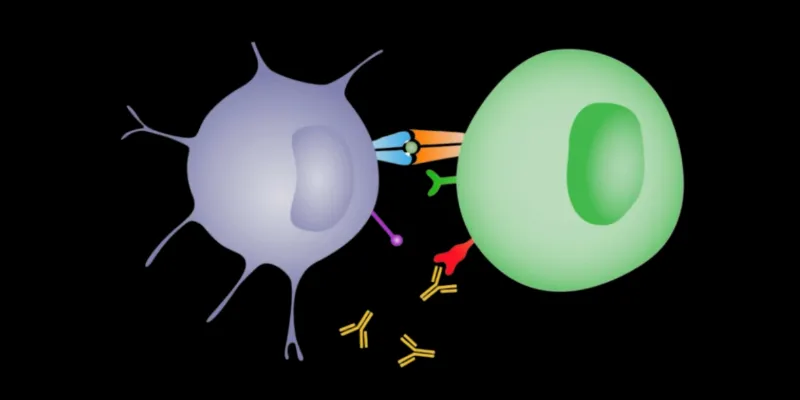
PLN-101095 is an oral small-molecule inhibitor of integrins αvβ8 and αvβ1 being studied with pembrolizumab in a Phase 1a/1b trial for patients with ICI-refractory advanced or metastatic solid tumors. By blocking these integrins, the drug is designed to prevent activation of TGF-β, a key driver of an immunosuppressive tumor microenvironment linked to checkpoint resistance. Preclinical data showed that PLN-101095, alone and with anti-PD-1 therapy, reduced tumor volume and increased CD8+ T-cell infiltration, supporting its potential to restore immune activity against cancer.



Comments
No Comments Yet!