Zeta Navigation System Gains FDA Clearance for Brain Tumor Biopsy and Neurosurgery
Key Takeaways
- The Zeta Navigation System has received FDA 510(k) clearance alongside the Zeta Stylet and Zeta Bolt, expanding real-time, AI-assisted image guidance for neurosurgery.
- The platform may improve access to millimeter-level navigation for brain tumor biopsies, helping clinicians target lesions more precisely.
- It also supports catheter and shunt placement, ventriculostomy, and trigeminal rhizotomy procedures.
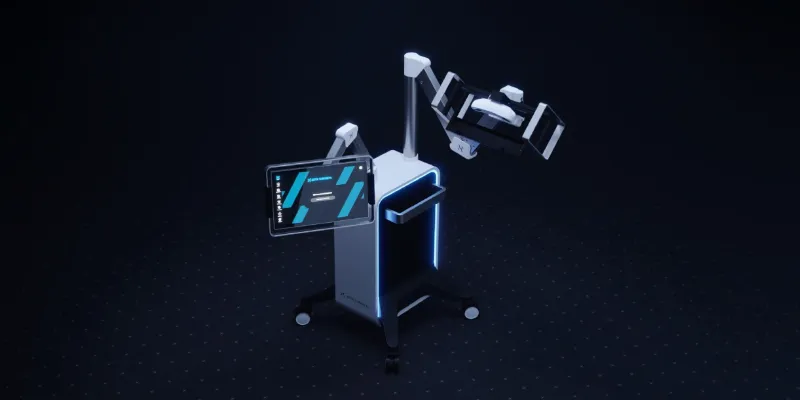
ZETA SURGICAL announced that its Zeta Navigation System, alongside its navigated instruments, Zeta Stylet and Zeta Bolt, has received 510(k) clearance from the U.S. Food and Drug Administration (FDA). The system has been classified as a Class II stereotaxic instrument under 21 CFR 882.4560, product code HAW. The clearance supports use of the platform for computer-assisted, real-time image guidance in neurosurgical procedures requiring accurate spatial positioning and orientation of instruments.
Zeta uses computer vision and artificial intelligence to align preoperative CT or MRI scans with patient anatomy. This enables millimeter-level navigation at the point of care, including settings beyond advanced operating rooms. According to the company, the cleared instruments provide navigated support for catheter and shunt placement, brain biopsies and trigeminal rhizotomies.
"The FDA clearance of the Zeta Stylet and Zeta Bolt marks a significant milestone for our surgical portfolio," said Hieu Le Mau, Chief Operating Officer at ZETA SURGICAL. “These instruments integrate directly with Zeta, giving surgeons greater precision and confidence across a range of neurosurgical procedures, from external ventricular drain placement and brain biopsy to shunt procedures and rhizotomy.”
The clearance is clinically relevant because several high-volume neurosurgical interventions still face limitations in access to advanced neuronavigation, particularly in emergency, bedside, community hospital and ambulatory care settings. Conditions such as traumatic brain injury, brain tumors, hydrocephalus and trigeminal neuralgia often require timely, precise intervention, but not all treatment sites have access to sophisticated operating-room navigation systems.
ZETA SURGICAL also highlighted early clinical experience with the platform. In a recent 15-patient first-in-human trial evaluating Zeta for ventriculostomies, all cases achieved single-pass, ideal catheter placements, with a median setup time of less than three minutes. While these findings come from a small early study, they suggest potential for rapid deployment in procedures where speed and accuracy are both critical.
The company now plans to launch a large-scale commercial pilot program with the Big 10 Neurosurgical Consortium this year. The program is expected to further evaluate how the platform performs across broader clinical environments and real-world neurosurgical workflows.
"Today the FDA has taken a step forward in this mission with their approval of the latest set of Zeta's instruments intended to perform complex neurosurgical procedures, not only in sophisticated operating rooms at tertiary care centers, but also at the patient's bedside, and in any community hospital and ambulatory surgical center in the world," said Dr. William Gormley, Co-Founder of ZETA SURGICAL and Director of Neurosurgical Innovation at Harvard Medical School's Brigham and Women's Hospital.
For neurosurgeons and hospitals, the clearance may represent an important step toward more accessible image-guided intervention, particularly for procedures where conventional navigation systems are limited by cost, space, complexity or setup time.






Comments
No Comments Yet!